Your Trusted 24 Hours Service Provider!


-
 Call Us+86-158-0331-9351
 -
 Emailcarrie@sinopulse.cn
 -
 AddressHandan City, Hebei , China
ac vacuum line
Choosing the Right Air Conditioning Rubber Hose: Field Notes, Specs, and Real-World Lessons If you’re speccing an Air Conditioner Hose for mobile A/C lines, don’t let the humble look fool you. This part quietly decides whether your system sips refrigerant all summer or leaks it by July. I’ve toured plants in Hebei and the Midwest; the best-performing hose almost always pairs a stable elastomer with a true barrier layer and—this matters—consistent quality controls. The product here, made in South Of Xingfu Road, Feixiang Industrial Zone, Handan City, Hebei, China, ticks those boxes with a layered build and ISO/TS 16949:2009 oversight. What’s changing in AC hoses (and why you should care) Industry-wise, two big shifts: tighter permeation targets and harsher duty cycles. Electric and hybrid platforms park the compressor in tricky places; underhood temps spike. Meanwhile, fleets still running R134a expect lower leak rates, and legacy R12 service shows up in niche restorations (yes, still). The answer has been barrier constructions—nylon-alloy cores, EPDM covers, and reinforcement that holds shape under pulsation. Sounds simple; it isn’t. Construction at a glance Tube: CSM/EPDM for chemical and heat stability Barrier: Nylon alloy to limit refrigerant permeation Buffer: EPDM/NBR transition layer Reinforcement: PVA for dimensional control under pulsation Cover: EPDM for ozone/aging resistance Temp range: -40°C to +135°C; Refrigerants: R12, R134a; Length: 50 m or as requested Standard/Type: SAE J2064 Type C; Certificate: ISO/TS 16949:2009 Parameter Spec / Note Construction CSM/EPDM tube + Nylon alloy barrier + EPDM/NBR buffer + PVA braid + EPDM cover Operating temperature -40°C ~ +135°C (real-world use may vary) Refrigerants R12, R134a (contact vendor for alternatives/retrofits) Standard SAE J2064 Type C Key features Pulse, aging, ozone, and shock resistance; low permeability Typical service life ≈ 5–10 years in automotive environments, maintenance-dependent Where it fits: from sedans to harvesters Use this Air Conditioner Hose in passenger cars, buses, off-road and agricultural machinery, light commercial vans, and specialty retrofits. Many customers say it holds up well in tight engine bays and long bus runs—surprisingly robust against vibration. Manufacturing & QA flow (short version) Compounding: CSM/EPDM blend with antioxidants and plasticizers Inner tube extrusion and in-line cooling Co-extrusion/lining of nylon-alloy barrier Buffer application and PVA braiding EPDM cover extrusion Continuous vulcanization (controlled profile) Cutting, printing, and coupling trials Testing: permeability vs. SAE J2064 limits; burst and impulse; vacuum retention; ozone chamber per ASTM D1149; dimensional and adhesion checks; salt-spray on assemblies per ASTM B117 (where applicable) Vendor snapshot (what to expect) Vendor Barrier type Certifications Customization Lead time Notes Hydraulic Hose Plus (Hebei) Nylon alloy ISO/TS 16949:2009 ID/OD, branding, 50 m or custom ≈ 2–4 weeks Strong value; Type C focus Tier‑1 Global A Nylon/EVOH (varies) IATF/ISO; OEM approvals Broad, OEM-oriented ≈ 4–8 weeks Premium pricing; deep catalog Regional Supplier B Varies ISO variants Limited ≈ 1–3 weeks Budget lines; check test data Field feedback and use-cases A Southeast Asia bus fleet reported fewer top-ups during monsoon season after switching to this Air Conditioner Hose ; maintenance logs hinted at better crimp integrity over long runs. Another case: a mid-size ag OEM saw steadier vacuum holds in pre-charge testing—likely the barrier doing its job. To be honest, outcomes depend on routing, clamp spacing, and crimp tooling more than many admit. Buying tips (quick checklist) Confirm SAE J2064 Type C compliance and recent batch test results Match refrigerant (R134a vs. legacy R12) and temperature envelope Ask for ozone and impulse test summaries, not just datasheets Request sample lengths to validate crimp ferrule fit and bend radius Certifications: ISO/TS 16949:2009. Features: pulse, aging, ozone, shock resistance; low permeability. Origin: Handan City, Hebei, China. References SAE J2064: Refrigerant Automotive Air-Conditioning Hose Requirements, SAE International. ISO/TS 16949:2009 Automotive Quality Management Systems, ISO. ASTM D1149: Rubber Deterioration—Surface Ozone Cracking, ASTM International. ASHRAE Handbook—Refrigeration (general refrigerant handling best practices), ASHRAE.
WHAT WE DO
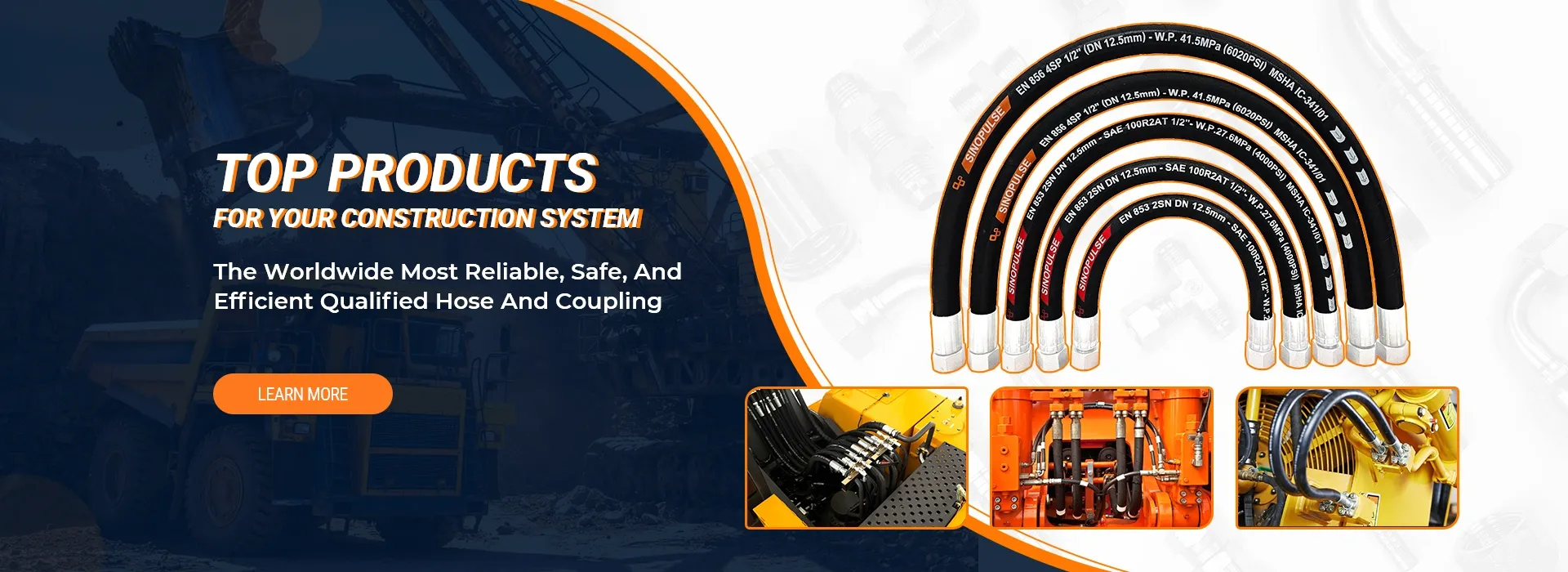
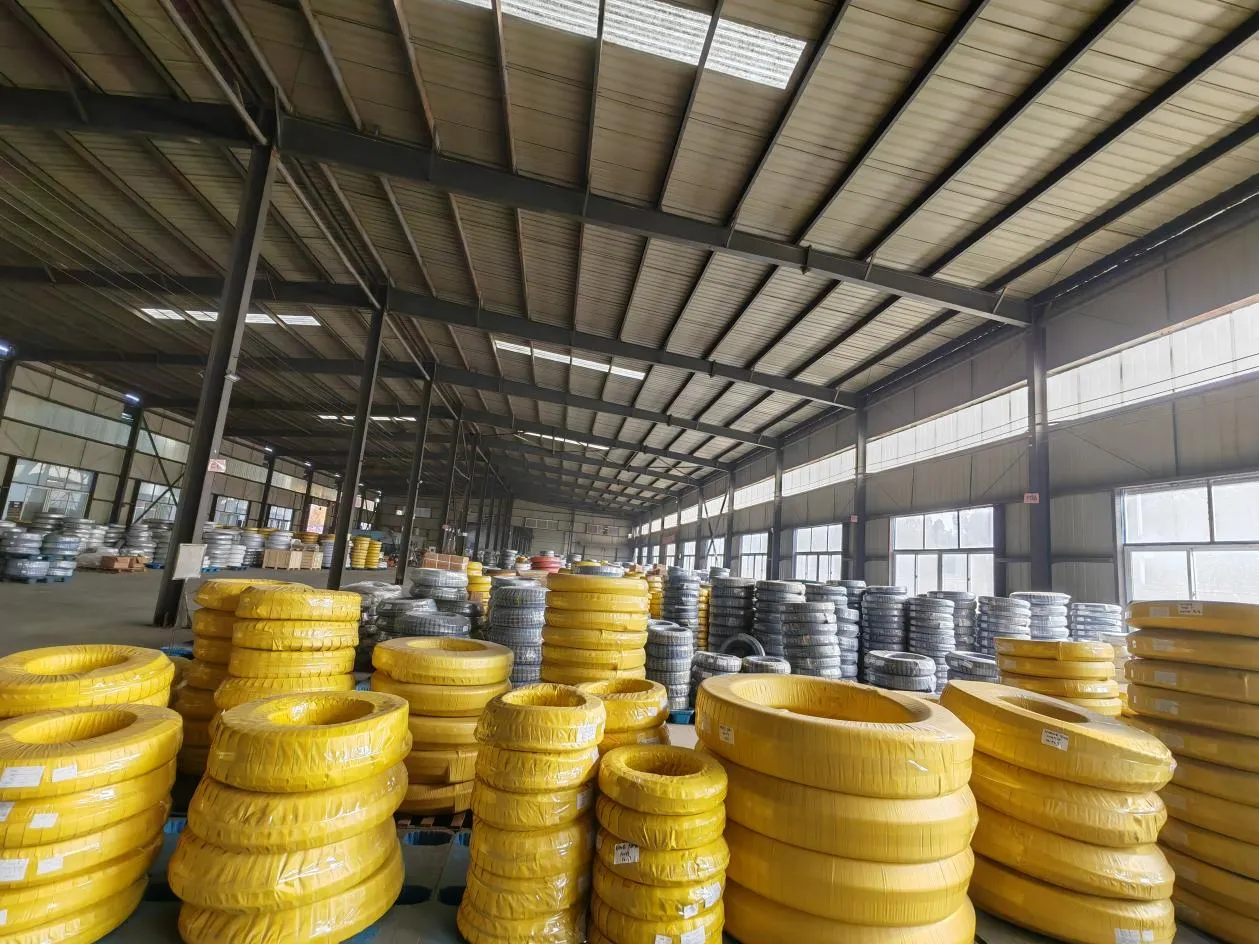
At Sinopulse, we are dedicated to enhancing industrial performance through innovative technology and exceptional customer service. Founded in 2011, Sinopulse began as a small startup with a big dream. Over the past decade, we have grown into a leading industrial hose, hydraulic hose & fittings manufacturer boasting a 45,000 m² workshop, 86 production lines, and a dedicated team of over 200 employees. Our commitment to quality and efficiency enables us to produce an impressive 100,000 meters of hose daily, offering the worldwide most reliable, safe, and most efficient qualified hose and coupling.


×
-
 45,000 m²Factory Area
 -
 86 +Production Line
 -
 200 +Employee
 -
 400,000 +Capacity
WHY CHOOSE US
-
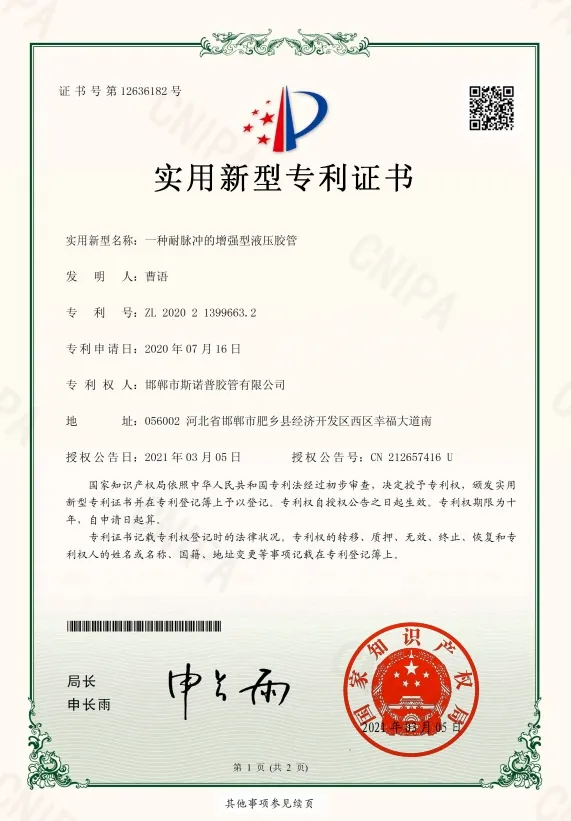
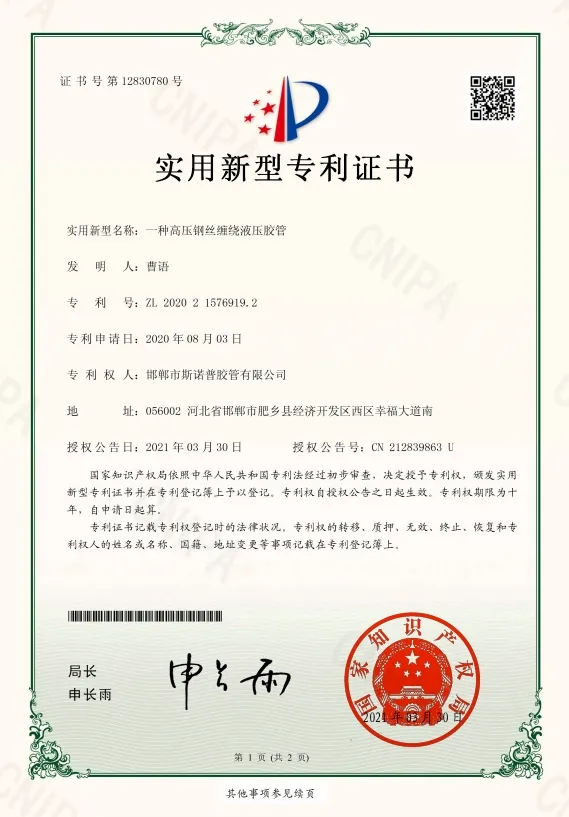
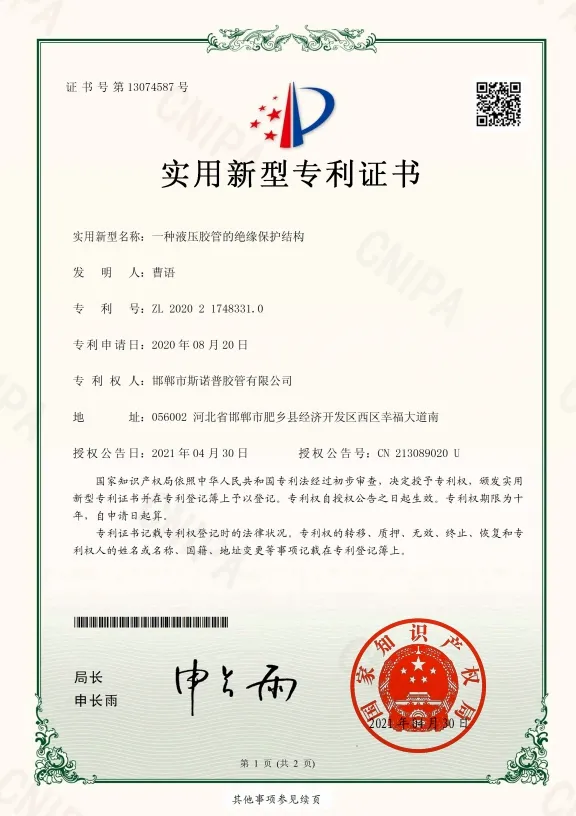
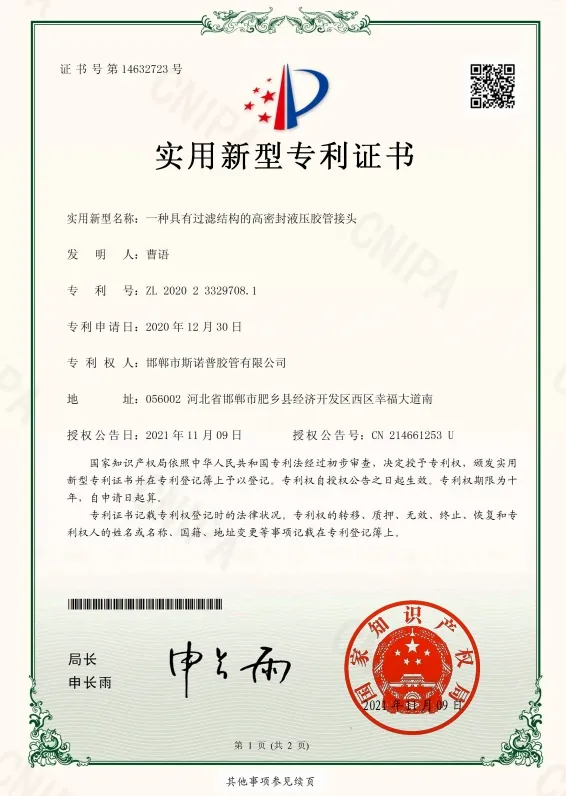
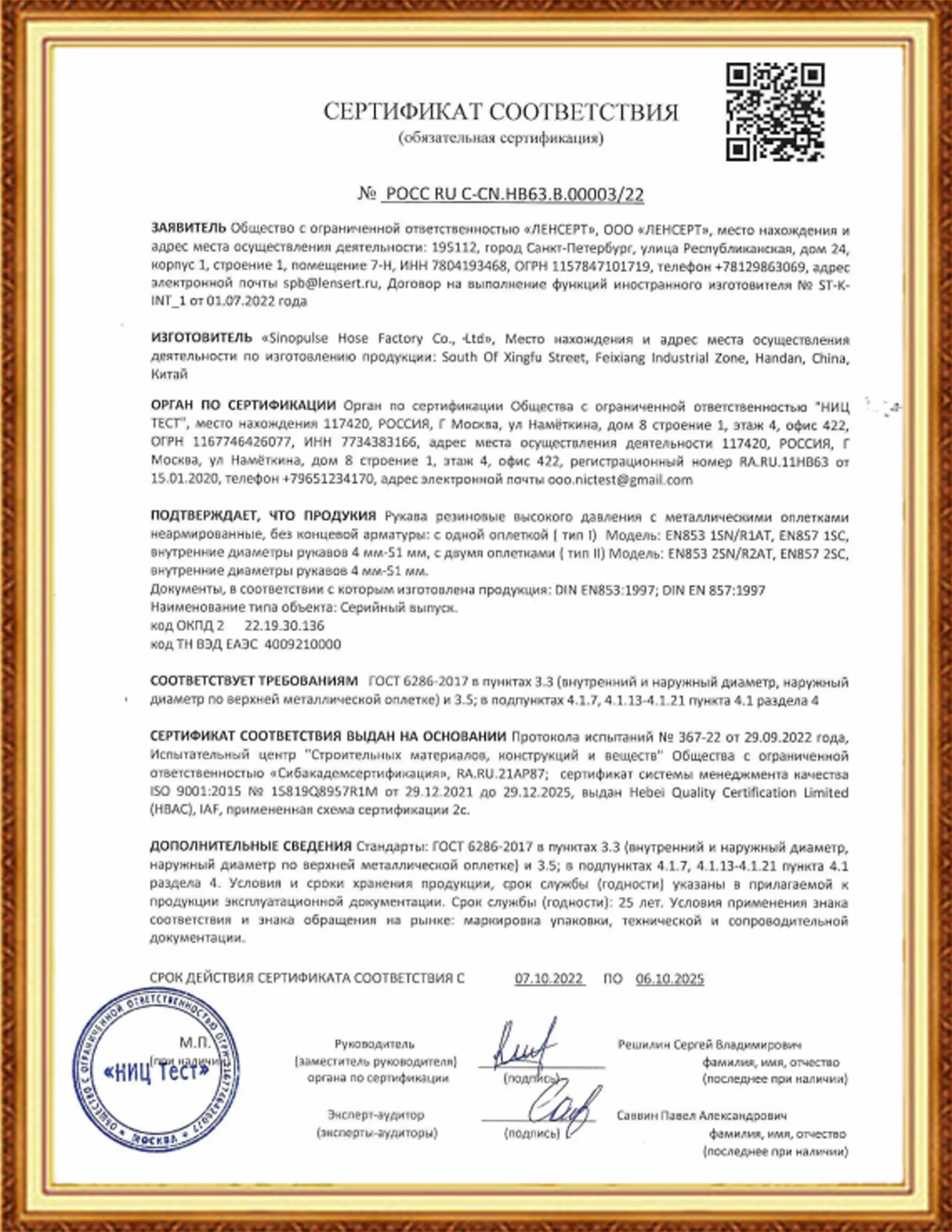
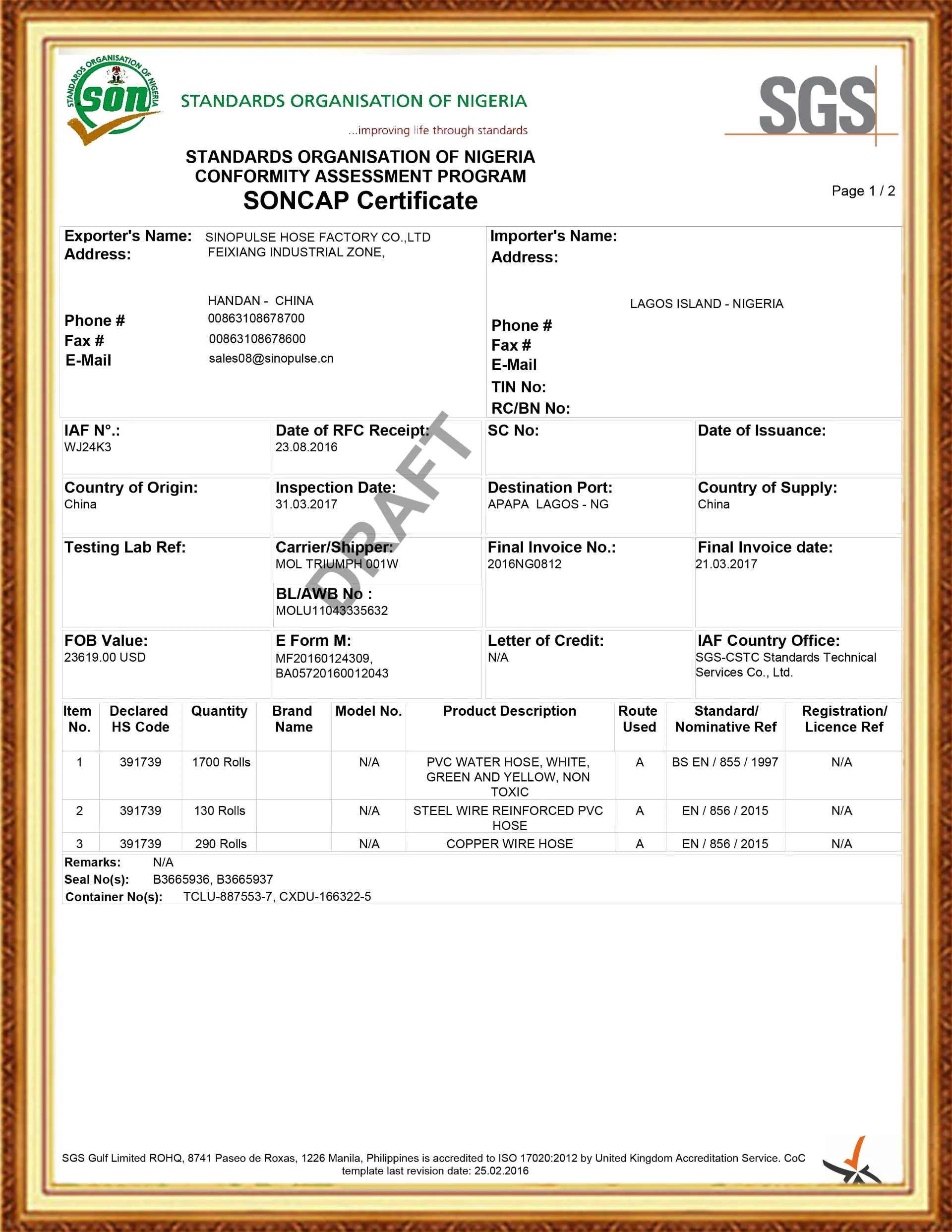
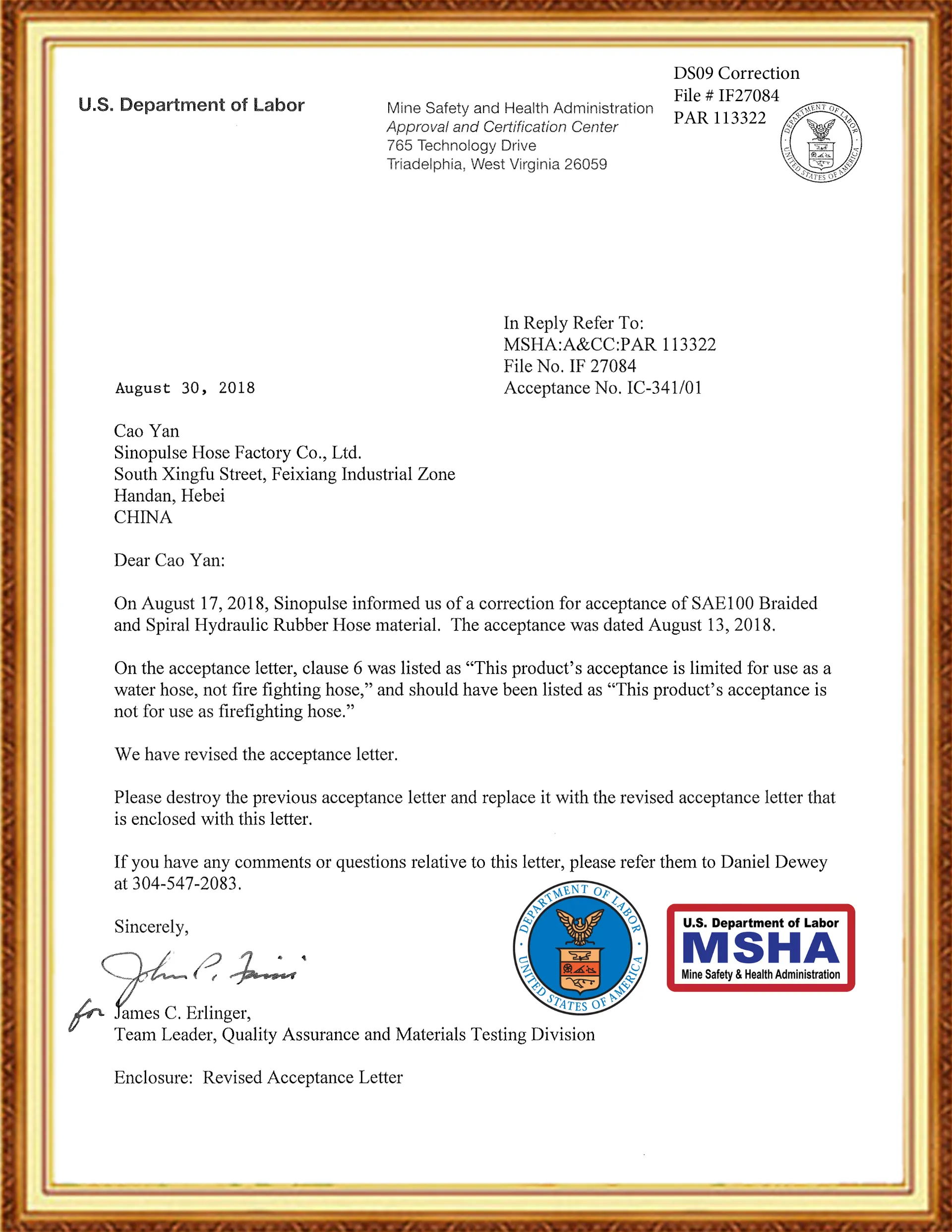
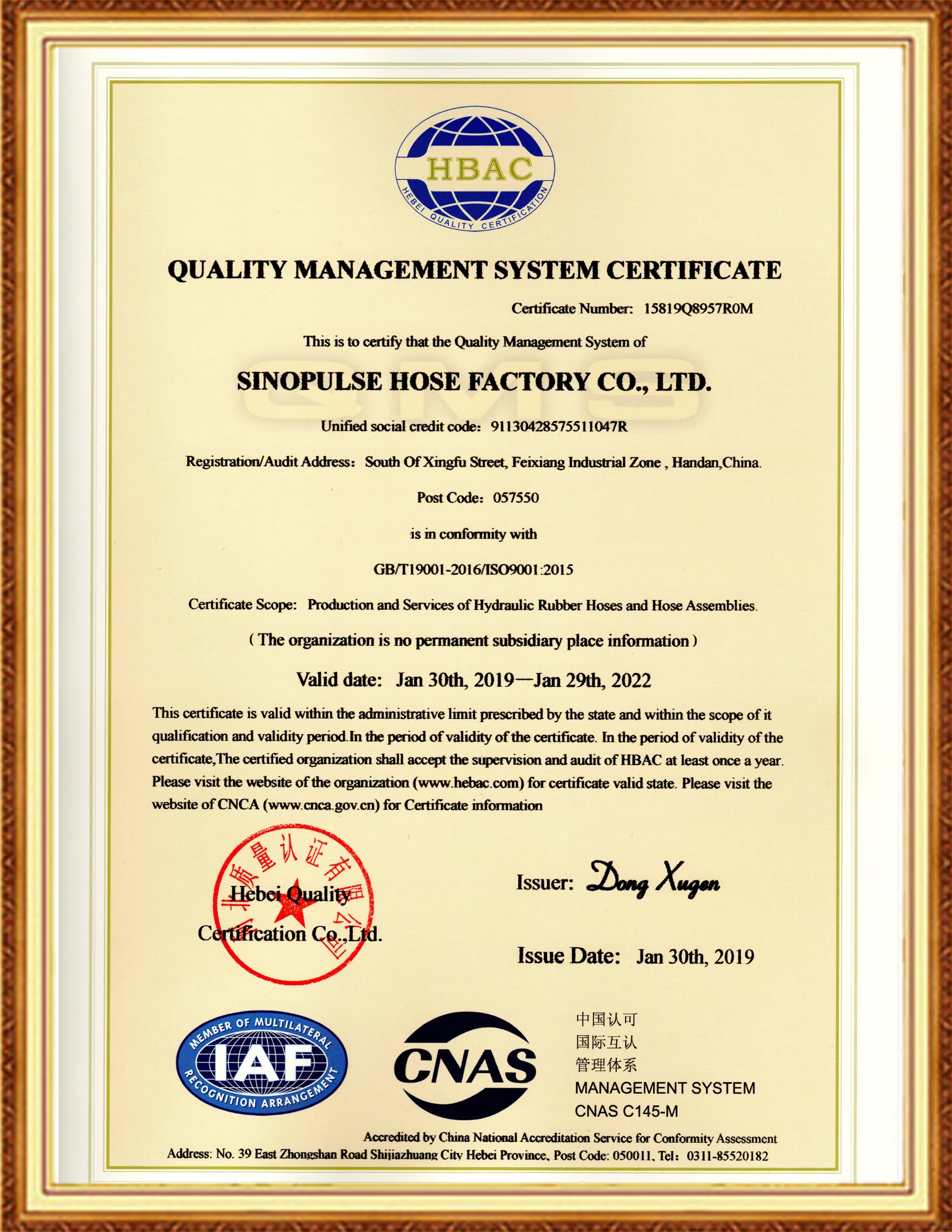
When it comes to choosing a reliable and trustworthy partner for your business needs, certification is a crucial factor to consider. At our company, we take pride in our commitment to meeting the highest standards of quality and safety, as evidenced by our certifications including ISO, MSHA, GOST, SGS, FDA ....More>>

-
One of the key strengths of SINOPULSE’s R&D capabilities is its ability to design hoses for a wide range of conveyor fluids. Whether it’s hydraulic oil, water, air, or specialized chemicals, the company has the expertise to develop hoses that are compatible with the specific fluid’s properties. This versatility allows SINOPULSE to cater to diverse industries such as construction, mining, agriculture, and manufacturing, where different fluids are used for various applications.More>>

-
SINOPULSE QUALITY CONTROL system is a comprehensive and advanced system that ensures the highest standards of quality in manufacturing processes. Quality control is a critical aspect of any manufacturing operation, and the SINOPULSE system is designed to provide a robust framework for monitoring and maintaining quality throughout the production process.More>>

-
SINOPULSE’s gold medal service in foreign trade, coupled with its emphasis on team service and product excellence, positions the company as a leader in the industry. With a focus on delivering tailored solutions and exceptional customer support, SINOPULSE continues to set the standard for excellence in international trade services.More>>

-
 20 YearsExperience
 -
 120 +Exported Countries
 -
 200 +Clients
 -
 30 Million USDAnnul Sales
OUR PROJECT
Our rubber hose products have good performance advantages, such as pressure flexibility, strength, weather resistance, no deformation, and good pulse testing.
-
 truck air hoseIn the ever-evolving landscape of industrial equipment and machinery, the demand for reliable and efficient hydraulic hoses has surged over the years. At the forefront of these high-performance components is the EN 856 4SP hose, renowned for its unparalleled durability and functionality. This article endeavors to explore the unique attributes of this important product through the lens of experienc...
 -
 high pressure flexible tubingHigh pressure flexible hose pipes are essential components in numerous industrial and commercial applications . Their versatility and adaptability make them an invaluable tool in industries such as construction, manufacturing, and oil and gas. With the proper selection, high pressure flexible hose pipes can deliver remarkable efficiency and safety under demanding conditions. Choosing the right hig...
 -
 1 2 suction hoseWhen it comes to the efficient movement of liquids and semi-liquids, the suction hose 6 inch is an essential component across various industries. From construction projects involving water transfer to agricultural applications and industrial fluid handling, this versatile tool proves indispensable. Users are often drawn to its combination of durability, flexibility, and strength, which makes it pa...
 -
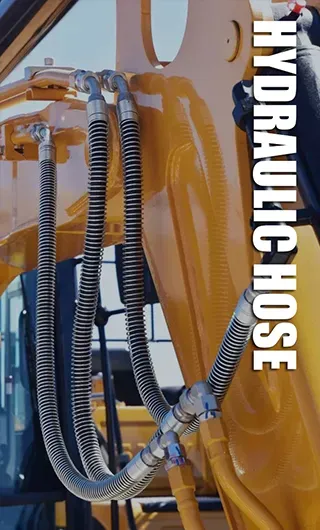
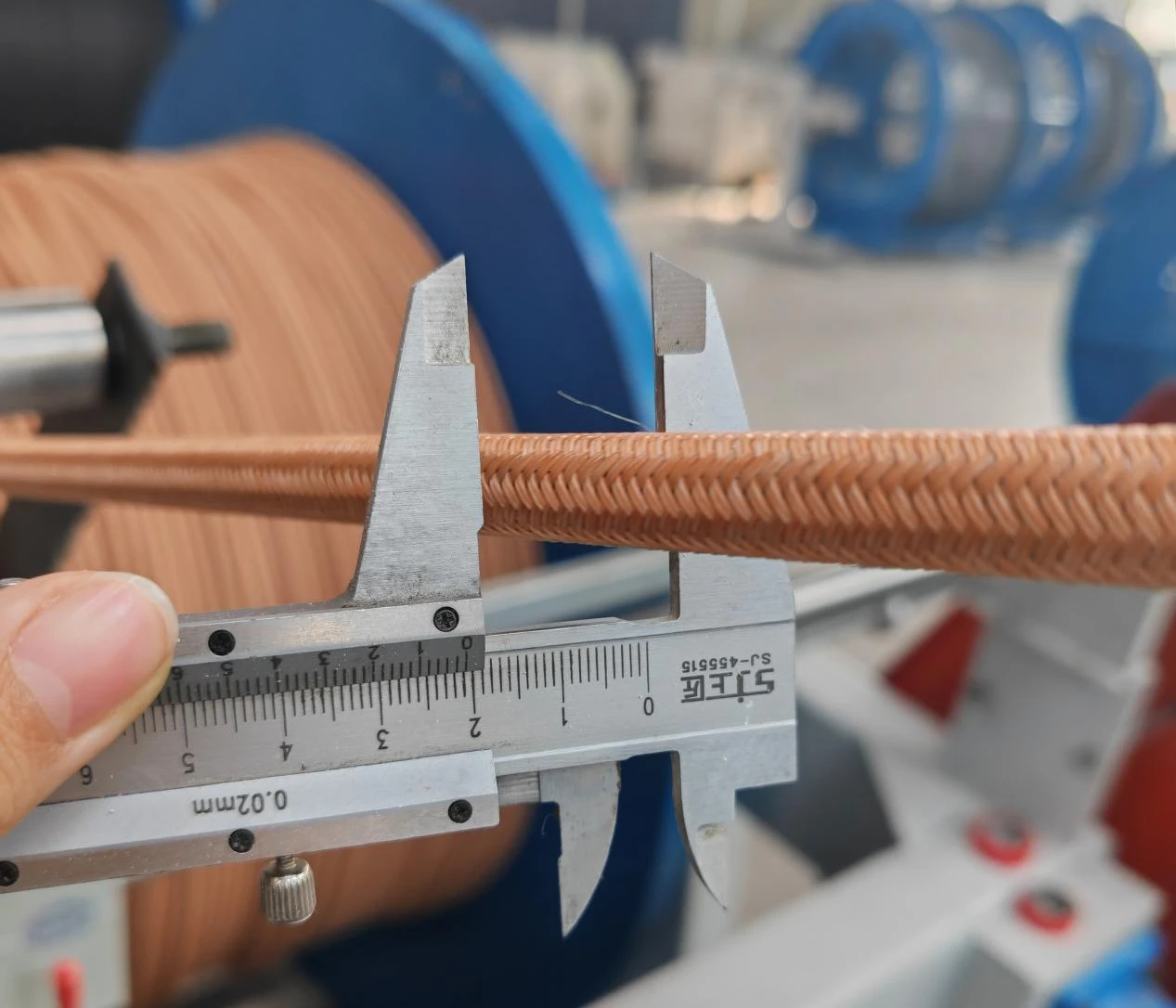 flexible oil hoseHydraulic hoses are flexible conduits designed to transmit pressurized fluid within a hydraulic system. These hoses typically consist of three layers: an inner tube that carries the fluid, a reinforcement layer that resists pressure, and an outer cover that protects against abrasion, weather, and chemicals. Hydraulic systems use incompressible fluids such as oil or synthetic fluids to generate hig...
OUR LATEST NEWS
Strict quality control strict production team to ensure stable products quality. Scientific personnel management, efficient production arrangements to ensure our timely delivery.

HOW TO FIND US
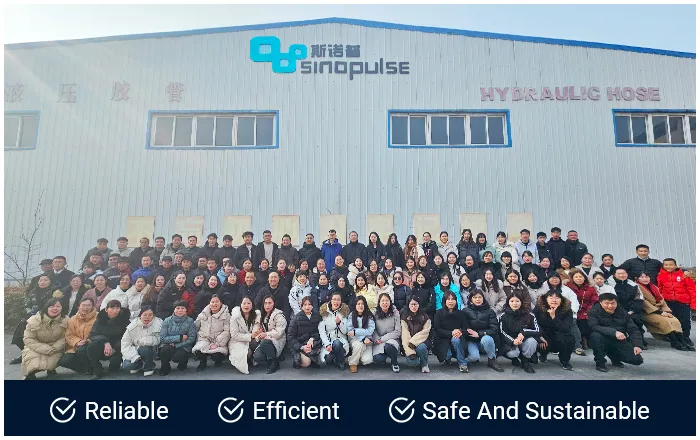
We welcome customers from all over the world visit our hydraulic hose factory and make fruitful cooperation. If you need hoses, contact with us without hesitation. We will give you professional service,qualified goods and best prices!
HOW CAN WE HELP ?
Have questions or need help? Use the form to reach out and we will be in touch with you
as quickly as possible.